 Erie County Dept of Health
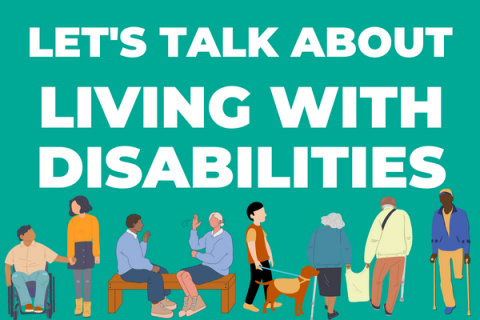
Content on this page is adapted from the Erie County Office of Health Equity for our publication, "Let's Talk About Living With Disabilities". None of the information on this page should be used as a substitute for direct medical advice from your health care provider.
This publication is available in six languages. You may order paper copies of this or any of our other publications, using this form. Printable PDF versions in all 6 languages are for download using the links below. For accessibility, please use the web version of this content.
There are over 120,000 people in Erie County living with a disability. Difficulty walking or climbing stairs tops the list of disability types, making it tough for people to move from place to place. However, not all disabilities are visible or apparent on the outside of a person. We build power when we learn about the experience and needs of people with disabilities by becoming more empathetic, understanding and inclusive.
Disability Defined
A disability is any condition of the body or mind that makes it more difficult for a person with the condition to do certain activities and interact with the world around them. Although “people with disabilities” sometimes refers to a single population, this is actually a diverse group of people with a very wide range of needs. Two people with the same type of disability can be affected in very different ways. Some disabilities may be hidden and are not easy to see. Some people live with more than one disability
There are many types of disabilities and they can affect a person's:
- Concentration
- Communication
- Hearing
- Independence
- Learning
- Mental health
- Movement
- Recall
- Speaking
- Social relationships
- Thinking
- Vision
Respect for All
People who live with disabilities are entitled to the same respect as people who do not. When interacting with a person with a disability, focus on the fact that they are an individual, just like you, and treat them as a person first.
- Ask before helping a person with a disability.
- Do not assume the person cannot do something.
- When communicating with a deaf person, make eye contact with the person, watch them sign, and speak to them.
- Do not try to communicate directly with interpreters or companions.
- Ask before touching assistive devices such as wheelchairs.
- Do not assume it is okay to pet or interact with service animals
Disabilities and Chronic Disease
These diseases can lead to blindness, chronic pain, hearing loss, mobility issues, self-care disabilities, and more.
- Arthritis
- Cancer
- Diabetes
- Heart disease
- Obesity
- Stroke
Many of these diseases are avoidable. Focus on eating a nutritious diet, work on getting the recommended amount of exercise, avoid excessive alcohol consumption, and quit smoking tobacco to avoid acquiring disabilities related to chronic disease. If you are living with one of these chronic diseases, talk with your doctor about how you can avoid disability long term.
How to Advocate for Yourself
Get the best possible care from your doctor and the people around you by learning how to listen to your body and speak up for your needs.
- You know your body best. Notice how you feel when you are well and what is different when you are not well. Talk openly with your doctor and caretakers about your concerns.
- Find healthcare providers that have experience treating people like you.
- Ask to make sure that you can physically get to and get inside your health care provider's office, wait comfortably, and access examining tables as needed.
- Bring a friend or take notes if you are concerned you might not remember or fully understand what your provider tells you. Ask as many questions as you need to.
- Bring a list of all the medicines you take with you to each visit.
Physical Fitness for Everyone
It is important to stay active. "Active" can look different for people with physical limitations. Work within your abilities to meet these guidelines and you will significantly lower your risk of heart disease, high blood pressure, colon cancer, and diabetes. Physical fitness has lots of benefits! Staying active will increase your stamina and muscle strength, may reduce joint swelling, and will make it generally easier to get around throughout the day. Fitness can also reduce symptoms of anxiety and depression, increase mood and self-confidence, promote independence, build friendships, and improve overall quality of life.
Weekly Physical Activity Guidelines - Adults with Chronic Diseases or Disabilities
- 150-300 minutes of light aerobic exercise OR 75-150 minutes of moderately intense aerobic exercise OR A combination light and moderately intense aerobic activity
- And, muscle-strengthening activities of light to heavy intensity and that involve all major muscle groups on 2 or more days
Note: People living with chronic conditions should consult a healthcare professional or physical activity specialist about the types and amounts of activity appropriate for their abilities and conditions. There is something for everyone!
Medically Oriented Gym
A Medically Oriented Gym (M.O.G.) offers services that traditional gyms do not including custom exercise programs and nutrition support, activities for physical limitations, and medical staff on-site to ensure safety.
Planning for Emergencies
If you or a loved one has a disability or special medical need, the people whose job it is to respond when you call for help in an emergency need to know. Having specific details about your unique situation will significantly help emergency responders treat you as quickly and safely as possible. Talk to caregivers, doctors and service providers about how to handle situations like home fires, power outages, severe storms, extreme heat and extreme cold, and poor air quality days.
Erie County Office for People With Disabilities
Erie County Office for People with Disabilities (ECOPD) provides information, referrals, representation, and advocacy. This office can help you and your loved ones find support services and resources to meet your needs. Types of support ECOPD can connect you with: advocacy, ADA compliance, education, employment, food service, hearing & speech, housing, legal services, mental health, physical challenges, recreation access, respite care, support groups, transportation, and more.
(716) 858-6215
N.Y. Relay 1-800-662-1220
Other Resources
Erie County Department of Social Services
SNAP, HEAP, Temporary Assistance, Childcare Assistance, Affordable Housing
(716) 858-8000
New York Office of Temporary and Disability Assistance
SNAP, HEAP, Temporary Assistance, Childcare Assistance, Affordable Housing
(518) 473-1090
U.S. Social Security Administration
Disability, Medicare, Retirement Benefits
(800) 772-1213