 Erie County Dept of Health
In 2023, about 1 in 5 adults in Erie County had a diagnosis of depression. Many things affect our mental health, from health concerns to safety and more. Talking about mental health with your loved ones and peers is an important step in working together to improve mental health in our homes and communities.
Are you in crisis? Call Crisis Services 716-834-3131 or dial 988 for help now.
What is mental health?
Mental health is the way you think, feel and act. Our mental health can affect how we see a situation, solve problems, handle stress, relate to those around us, and make decisions. Mental health can even affect our physical health. Good mental health doesn't mean you are always happy, but it means you can cope with life's ups and downs and do the things that are important to you.
Two Key Things To Think About:
It Is Okay To Ask For Help
It is okay to ask for help for a mental health challenge or mental illness. There are lots of types of mental health care options. You do not need to have a mental health challenge to see a mental health professional for assessment or treatment. It might take a few sessions or a few tries to find what works for you. Starting therapy or seeing a counselor now does not mean you will always need this type of care.
Community Support
Your Journey
Think of your mental health as a journey. No two journeys are the same. There will be some twists and turns in the road, and there are people who can help you through. Some people may benefit from seeing a mental health provider. Others may benefit most from peer support and medication.
Some examples of the type of providers who can help you on your mental health journey include:
- Counselors and therapists
- Certified peer advocates
- Medical doctors and nurse practitioners (including primary care providers, psychiatrists, and psychologists)
Understanding Trauma
Suicide
Are you in crisis? Call Crisis Services 716-834-3131 or dial 988 for help now.
Suicide is when a person intentionally causes their own death. If you are having thoughts about suicide, talk to a trusted friend, family member, or health care provider. We can help people around us by noticing changes in appearance, behavior, and feelings. If you notice these changes last for a while, you might want to tell the person what you have noticed.
Depending on their answers, it may be time to ask if they have thought about suicide. Asking this question directly tells them that you care and are paying attention. Simple and direct questions can help you have this difficult conversation. Practice asking these questions in the mirror or with a friend so that you are ready if you ever need to ask them.
Self-Care
Self-care means doing things that support your overall mental and physical health. Self-care can be getting enough sleep, managing stress, staying active, taking a day to yourself, or making a financial plan. For some people, allowing themselves to participate in self-care takes practice. Self-care should include things that bring you joy and satisfaction. Self-care does not have to include things that you consider regular hygiene, like taking a bath or getting your hair styled.
Practicing self-care helps improve mental health. Self-care looks different for everyone. Do only what works for you and change your self-care practice as often as you need to.
Types of Self-Care
- Cognitive Self-Care: Things you can do to take care of your mind.
Examples: Learn a new skill, play chess. - Emotional Self-Care: Things you can do to take care of your feelings.
Examples: Journal, talk to a trusted person or professional mental health care provider. - Physical Self-Care: Things you can do to take care of your body.
Examples: Stretch, go for a walk, go to your annual primary care appointment. - Social Self-Care: Things you can do to build community.
Examples: Spend time with friends, attend a community event. - Spiritual Self-Care: Things you can do to nurture your inner beliefs and values.
Examples: Meditate, pray, create a peaceful practice of your own.

The Brain-Gut Connection
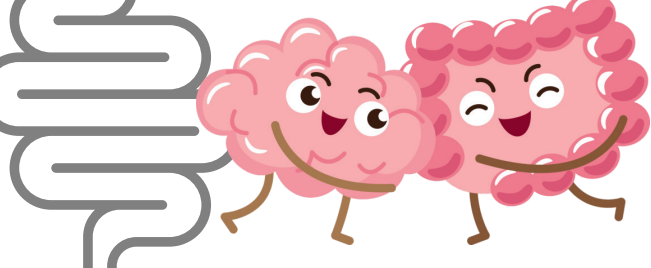
Serotonin is a chemical messenger that helps your brain stabilize moods, regulates sleep, and can reduce pain. Most of your body's serotonin is made in your intestines (gut). So, caring for your gut or stomach is important to your mental health. If you are feeling low, take a look at what you have been eating and try to eat more of the healthy foods you have access to and enjoy.
Additional Resources, Tools, and Strategies
Additional Resources
Mental Health Allies in Erie County
Erie County Department of Mental Health
Erie Path - a free app and web site with local and national mental health resources and information.
Be Well | NY State Department of Health Page on Mental Health and Wellness
Nami.org - find mental health care that fits your cultural background.