 Erie County Dept of Health
What is Climate Change?
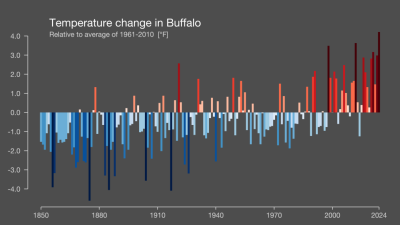
Climate change happens when there are significant changes in long-term weather patterns such as temperature, rain, and wind. Climate change is primarily caused mainly by humans releasing gases like carbon dioxide and methane into the air from burning fossil fuels. These gases trap heat in Earth’s atmosphere and make the planet warmer. As a result, sea levels are rising, storms and droughts happen more often, and weather events become more frequent, widespread and intense, and last longer.
Climate change is a global problem, but it affects people and places at a local level. Wildfire smoke in California and Canada has drifted into Erie County, for example, polluting the air and contributing to short- and long-term health problems. It affects many parts of our lives and how communities stay healthy.

How Does Climate Change Affect Our Health?
Climate change impacts our health in many ways, including:
- Temperature-Related Illnesses: More frequent and intense heat waves can cause heat exhaustion, heat stroke, and worsen heart and lung conditions. Extremely cold weather increases risks for hypothermia and frostbite. Each has short- and long-term health and mental health effects.
- Air Pollution: Increased pollution and wildfire smoke can lead to asthma attacks, respiratory diseases, and long-term cardiac (heart) and neurological (brain) conditions.
- Mental Health: Extreme weather events, displacement, and stress can increase feelings of anxiety and depression; and cause trauma.
- Food Security: Changes in temperature can cause smaller crop yields and disrupt the food supply chain.
- Vulnerable Populations: Children, older adults, people with disabilities, pregnant people, low-income communities, and communities of color often face greater health risks from climate change due to social, political and economic factors.
- Infectious Diseases: Changes in temperature and rainfall affect the spread of diseases carried by mosquitoes and ticks, such as Lyme disease and West Nile virus.
- Communicable Diseases: Outbreaks, such as hepatitis A or E. coli, related to sanitation system failures and lack of safe hygiene
Severe weather conditions increase the risk of disease and injury. Preparing people and communities can build resilience and reduce the risks of climate change.
Who Is Most at Risk?
Climate change affects communities unequally. While climate change affects everyone, some groups and regions face greater risks:
Low-income communities often live in areas more vulnerable to flooding, and pollution, and extreme heat. They often live in areas with little to no tree canopy, making living spaces unsafe during extreme heat.
Communities of color frequently experience environmental injustices. They are disproportionately exposed to pollution and contaminated resources compared to white communities, and this is often linked to systemic racism and discriminatory policies and practices, such as redlining, that place polluting facilities in or near these communities.
- Rural areas may lack access to timely medical care during emergencies.
- Populations on certain medications are much more sensitive to extreme heat than others.
- Children, pregnant people and older adults are more sensitive to extreme temperatures and air quality.
- People with chronic illnesses or disabilities may find it harder to meet basic needs and maintain mobility during weather events or power outages.
What You Can Do
There are ways we can prepare and help deal with the impacts of climate change. help slow climate change:
- Stay informed about local climate-related health risks that can affect you or your family.
- Use public transportation, bike, or walk to reduce air pollution.
- Support green space and tree cover in your community.
- Check in on vulnerable neighbors during extreme weather.
- Heat and cool your home with proper insulation.
Erie County Climate Action Plan
Erie County has developed a Community Climate Action Plan to reduce climate pollution and to make our community safer and more resilient to climate change. Read the plan to learn what Erie County is doing and how you can help make a difference.