 Erie County Dept of Health
Oral health is an important part of overall health and well-being. It affects how we eat, speak, and smile each day. Poor oral health can lead to gum disease, infections, and tooth loss, and can also make other health conditions, like heart disease, diabetes, and respiratory infections, worse. It may cause pain, make eating and speaking difficult, and lead to missed school or work. Poor oral health can also affect mental well-being by lowering self-esteem, increasing stress, and limiting social connection.
Taking Care of Your Teeth
- Brush your teeth two times a day with fluoride toothpaste for 2 minutes each time.
- Floss between your teeth daily.
- Limit sugary drinks and snacks.
- See your dentist for regular cleanings and checkups.
Source: ADA.org
Fluoride
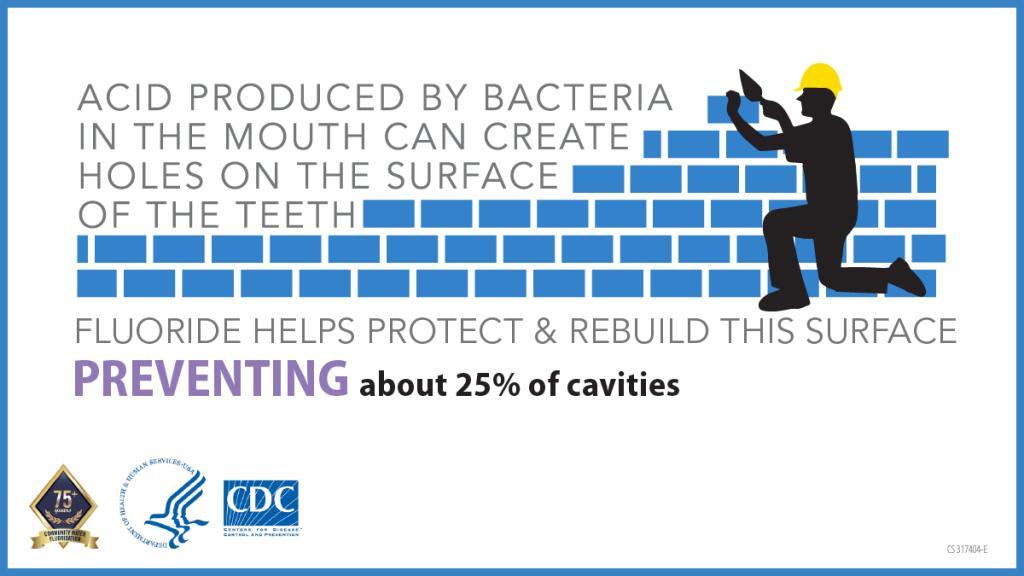
Fluoride is a natural mineral found in water, soil, and food that helps protect teeth and prevent cavities in children and adults by strengthening the tooths outer surface, called enamel. Drinking water with the right amount of fluoride has been safely used for over 70 years, reducing cavities by 25%.
Ways to get fluoride:
- Drink tap water.
- Use toothpaste and mouth rise that contain fluoride.
- Your dentist or pediatrician can apply fluoride varnish at regular checkups.
4/14/2025: NYSDOH Commissioner statement on health benefits of water fluoridation
Cavities
Cavities are one of the most common diseases people get and live with in their lifetime. Cavities are caused by bacteria in your mouth that stick to your teeth. You feed the bacteria every time you eat or drink.
Early cavities may cause no symptoms, but as cavities grow, it can lead pain. If left untreated, cavities can cause an infection. This infection can spread in your body, and in rare cases, become life-threatening.
Children's Oral Health
Babies aren’t born with the germs that cause cavities. These germs are usually spread from caregivers through shared saliva. This can happen when people share spoons or straws, clean a pacifier with their mouth, or kiss a child on the lips. Caregivers who have untreated cavities are more likely to pass these germs to their children.
Why Baby Teeth Matter
Baby teeth help children eat, speak, and learn. They also hold space for adult teeth. Cavities in baby teeth can cause pain, infection, and may affect how permanent teeth grow in. 
Healthy Habits for Kids
- Schedule a child’s first dental visit by age 1.
- Avoid putting a child to bed with a bottle unless it contains only water.
- Limit sugary snacks and drinks, including juice
- Help children brush their teeth with a fluoride toothpaste twice a day.
Gum Disease
Oral Health Across the Lifespan
Pregnancy
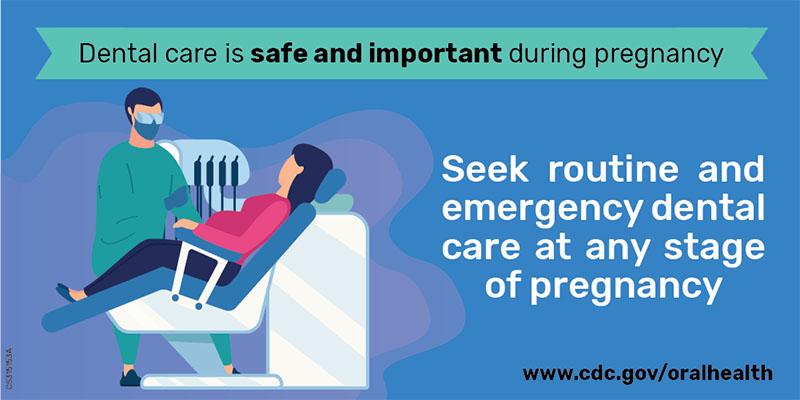
Oral health is very important during pregnancy. Hormone changes can make gums more sensitive and more likely to bleed. This can increase the risk for gum disease and cavities. Dental care is safe during pregnancy, and regular checkups can prevent problems. A parent’s oral health also affects their baby’s health. Parents with untreated cavities and gum disease are more likely to pass cavity causing germs to their baby.
Older Adults
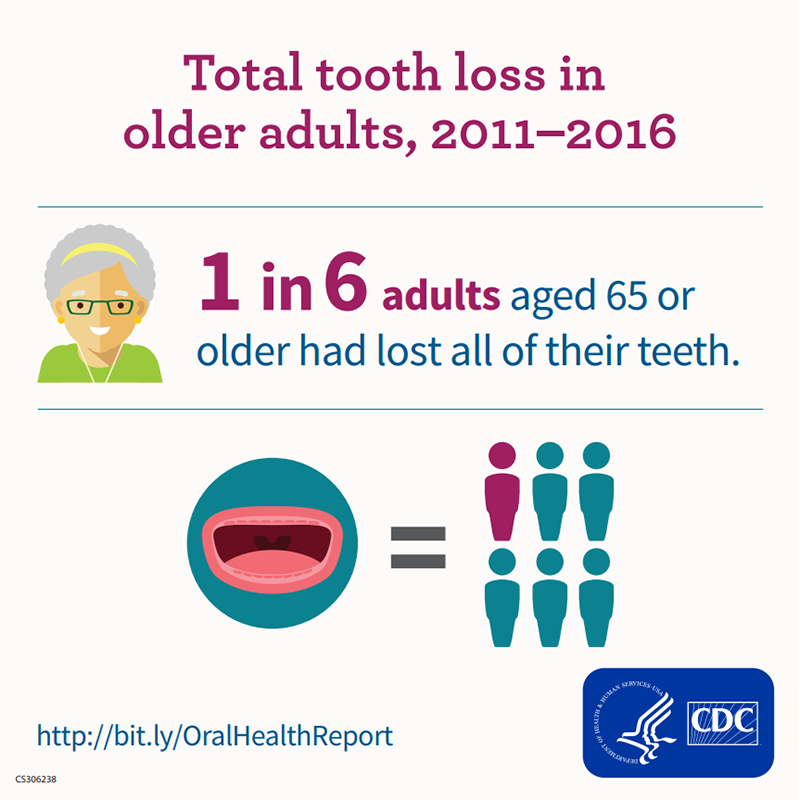
As people age, they are more likely to have gum disease, tooth loss, or dry mouth. Dry mouth can be caused by many common medications and can raise the risk of cavities. Regular dental visits, good brushing and flossing habits, and keeping the mouth moist by drinking water can help maintain good oral health.
Oral Cancer
Oral cancer can form in the mouth or throat. It is more common in older adults and people who use tobacco or alcohol. Regular dental check-ups can help find problems early when they are easier to treat. Signs and symptoms can include:
- A sore that doesn’t heal.
- White and red patches in the mouth.
- Swelling in the mouth, jaw, or neck.
- Having trouble chewing or swallowing.
Emergency Dental Care
Some dental problems need quick attention. Seek care right away if you have:
- Facial swelling
- Severe tooth pain
- A tooth that is knocked out or broken
- Bleeding that will not stop
- Trouble swallowing or breathing
These may be signs of a serious infection or injury. A dentist can treat most dental emergencies but go to the emergency room if you have trouble breathing, swelling that affects your eye or neck, or fever with facial swelling.
Getting help quickly can prevent complications and protect your overall health.
List of local dental providers:
- Call number on back of insurance card for a comprehensive list of providers
- Search for ADA Member Dentists – Find a dentist near me | American Dental Association
- NYS Provider & Health Plan Look-Up Tool