 Erie County Dept of Health
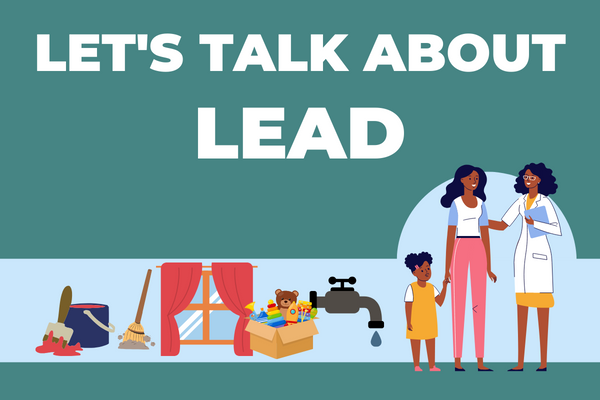
Lead is a neurotoxin. A neurotoxin is a substance that negatively affects brain development and function. Lead is dangerous, even in very small amounts. Lead exposure can cause a wide range of health problems, especially in young children. Lead dust is the main cause of lead exposure in Erie County. Lead dust can look like any other dust. Preventing lead exposure is the best way to avoid lasting harm.
Lead Exposure Causes Health Problems
Children under the age of six are especially vulnerable to lead poisoning, which can impact their mental and physical development. Lead exposure can affect a child's body in many different ways, causing developmental delay, nervous system damage, behavioral problems, learning disabilities and more. Even very small amounts of lead can cause serious health problems. The effects of lead exposure can be invisible or difficult to detect until children are older. A lead test is the only way to determine if a child has been exposed to lead.
Who Is At Higher Risk?
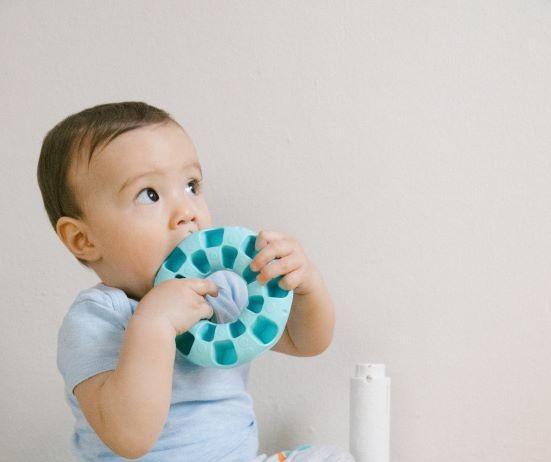
Lead can cause lasting damage to the developing brain and nervous systems of young children.
- Children Under 6 Years Old: Lead exposure in adults can be passed on to a developing fetus. Breastfeeding can be a source of lead exposure. Formula prepared using water from lead pipes can also expose a baby to lead.
- Pregnant People: Lead exposure in adults can be passed on to a developing fetus. Breastfeeding can be a source of lead exposure. Formula prepared using water from lead pipes can also expose a baby to lead.
- Immigrants, Refugees & Recent International Adoptees: People from countries with less strict rules protecting children from lead may have been exposed to goods that contain lead like paint, plastic, spices and cosmetics.
Areas At Higher Risk
 Homes in these ZIP codes, also known as "communities of concern", were typically built before 1978 and are more likely to have lead paint. Children who live in these homes have the highest risk for lead exposure and poisoning.
- 14201
- 14207
- 14208
- 14209
- 14210
- 14211
- 14212
- 14213
- 14215
Important Terms
Lead Exposure
Lead dust can be ingested, inhaled or absorbed. This can happen without you knowing.
- Ingestion: To swallow or take through your mouth.
- Inhalation: To breathe in particles such as dust.
- Absorption: To go through the skin.
Screening
A series of questions, medical exam and blood test to find out if a person has exposure or illness.
- Blood Lead Test: A small amount of blood is taken from the finger, heel or arm to measure how much lead is in the body. If this "finger prick" test shows a concern for lead poisoning, a blood draw will be required to confirm.
- Blood Lead Level: The amount of lead in your body is shown as micrograms of lead per deciliter of blood, written "μg/dL." If an elevated blood lead level is found, follow-up care will be needed. Your health care provider may connect you to the Erie County Department of Health for support.
Lead Poisoning
Health problems caused by swallowing, breathing or absorbing lead. Lead poisoning can damage the nervous system and slow growth.
- Elevated Blood Lead Level (EBLL) In Children: An elevated blood lead level happens when a child under 6 years old is found to have blood lead level of 3.5 μg/dL or more. Ask your health care provider what you can do if your child has an elevated blood lead level. Programs and services may be available to reduce more lead exposure
- Developmental Delay: A slowing of growth or progress in the body or mind. This can be because of lead poisoning.
- Chelation: A medical treatment used to remove lead from the body when blood lead levels are very high.
Tell Your Healthcare Provider About Your Family's Lead Exposure Risks
New York State requires all children to be tested for lead exposure at 1 and 2 years old. Your health care provider should check your child's risk of lead exposure every year until your child is 6 years old.
If you:
- Live in, move to or spend time at a home built before 1978
- Send your child to an in-home daycare built before 1978
- Change habits or jobs that put you at risk for exposure
- Spend time with family or close friends with an EBLL; or
- Think your child may have been exposed for another reason,
ask your health care provider for a lead screening for young children. Say, "I would like a lead screening for my child.” If you do not have a provider or insurance, contact Erie County Department of Health for information on applying for insurance and choosing a provider.
Understanding Your Lead Test Results
The average blood lead level for young children in New York State is about 1.4 μg/dL. If your child's blood lead level is:
- 3.5 μg/dL or more: The CDC recommends that children in this range eat a diet high in iron, calcium and vitamin C; parents remove lead risk from the home; and pediatricians monitor blood lead level. Retest annually.
- 5 μg/dL or more: You are eligible for case management. The Erie County Department of Health can help find services to reduce symptoms and remove risk of lead exposure.
Signs And Symptoms
Infants and children who experience lead exposure may not show any signs or symptoms until they are older. Infants and children who appear fine can have high levels of lead in their bodies. Effects of lead poisoning can include:
Test young children to protect them from the long term effects of lead exposure.
Prevention
Lead exposure can be prevented. Lead dust from lead paint or lead pipes is the most common source of lead poisoning. Safely removing dust is most effective way to avoid lead exposure.
Clean Often
Clean your home with a damp cloth to remove lead dust. Clean window sills and play areas often. Use a damp mop on floors. Rags with lead dust should be thrown away after each use. To save money, use old clothes like socks to make rags.
Wash Hands
Teach children to wash their hands before meals, after playing and at bedtime.
Eat A Healthy Diet
Eating foods rich in iron, calcium and Vitamin C can help prevent lead from being absorbed into the body.
Case Management
If someone in your family has an elevated blood lead level of 5 μg/dL or more, you are eligible for case management. The Erie County Department of Health provides case management for county residents. A nurse will review your lead test results and help you access proper medical care. They will visit your home to identify sources of lead and help you reduce the risk of more exposure. Erie County staff can also help you find programs and services to support your needs. Visit the LEADSAFE page for more information about lead poisoning prevention and case management.
Lead In Your Home
Exposure to lead from sources in your home can cause lead poisoning. These sources are called lead hazards. Lead can be found in paint, dust, soil or tap water in your home. Lead exposure usually comes from lead paint or lead pipes. Lead is often found in the paint on windowsills and walls and can also be accidentally brought into your home on your shoes or clothes from flaking or peeling exterior paint, dust and soil outside. The most common way lead gets into the body is by breathing in lead dust. It is easy for young children to ingest lead dust accidentally because they often lick things or put things in their mouths. Safely removing dust is the most effective way to reduce lead exposure risks. Learn more about sources of lead in your home.
Do you live in a home built before 1978? If so, you may be exposed to lead dust. Use this tool to find out when your home was built.
Lead Home Safety Tips
These tips can help reduce your family's risk of lead exposure, even if you are not sure if there is lead in your home or not.
- Keep children away from chipped or peeling paint and broken plaster.
- Clean windowsills and other places children can reach often with a damp cloth.
- Throw away the cloth. Do not wash or reuse.
- Try to eat a healthy diet rich in iron, calcium and vitamin C.These nutrients can prevent lead from being absorbed into the body.
- Teach children to wash their hands often, especially before eating and at bedtime.
- Let your faucet run for at least 1 minute before using water. Use cold water (not hot) for infant formula, cooking, drinking and washing produce.
- Remove and wipe shoes before coming inside your home. Don't track lead dust indoors.
- Let your landlord know about chipping or peeling paint inside and outside your home.
- Learn how to safely fix areas in your home where lead exposure is a concern. Cover bare soil in your yard with grass, mulch or wood chips to reduce dust.
Renters' Rights
In New York State, your landlord is NOT required to test for lead. Landlords ARE required to tell you if they have found any lead on the property, and they may also be required to sign up for the lead rental registry. When you sign a lease to rent an apartment, you may be asked to sign a "Lead Waiver" or "Lead Warning Statement." When you sign a lead waiver, you are saying that you understand and accept the risk of lead exposure. More information for tenants in NY State.
Renovating?
Make sure anyone working on your home is certified in lead safe renovation, repairs and painting (RRP). Erie County offers training to help safely remove lead hazards. Find local trainings here.
Lead Remediation is the process of fixing or removing sources of lead.
Abatement is work done by a trained professional to remove or cover lead paint in your home. This includes replacing windows and encapsulation.
Encapsulation means using a thick liquid to cover lead paint.
LeadSAFE Erie County Services & Programs
The Erie County Department of Health offers a wide range of services and programs to support residents managing lead exposure risks through LeadSAFE. To receive help finding a program that will support your needs, email them at leadsafe@erie.gov or call 716-961-6800.