 Parks, Recreation & Forestry
3781 Main Street | Amherst, NY 14216
Summer 2026 Hours (May 20-August 12):
Wednesdays 3:00 - 7:00 PM Closed July 8
Saturdays 10:00 AM - 2:00 PM Closed July 11
Fall Open House: Saturday, October 3, 2026, 10:00 AM - 2:00 PM
The Schenck House, located on the grounds of the Grover Cleveland Golf Course, is widely considered one of the oldest extant stone structures in the City of Buffalo. Constructed in or around 1822, the house was originally part of the Schenck homestead, home of German farmer Michael Schenck and his family. Constructed in “Pennsylvania German Traditional” style from locally quarried limestone, the home and surrounding remained in the family until it was sold to the Country Club of Buffalo in 1898. Read more about the history of the Schenck House on the "Buffalo as an Architectural Museum" website.
In 2022, with the support of the Erie County Legislature, Erie County invested RENEW Plan and American Rescue Plan funds into a full restoration of the Schenck House, with the intention of converting the building into a public museum dedicated to Erie County Park and regional history.
Watts Architects and Engineers was retained for architectural and construction management services and Walter S. Johnson Co. was retained as the general contractor. Both firms have significant experience working with historic buildings and restoration projects. Together, in partnership with Erie County Department of Parks and the Erie County Department of Public Works, the restoration team addressed myriad issues and considerations to ensure the building is accessible, safe, and suitable for public use for decades to come.
A few highlights of the project include the following:
- Addressing years of flooding and water damage, including full remediation and removal of mold and damaged elements.
- Stabilization of rear addition to original structure to create new kitchenette for public use.
- New drywall, floors, roof, HVAC, restroom, interior and exterior lighting, windows, trim, drainage, and landscaping.
- New accessible entrances (2), walkways and restroom.
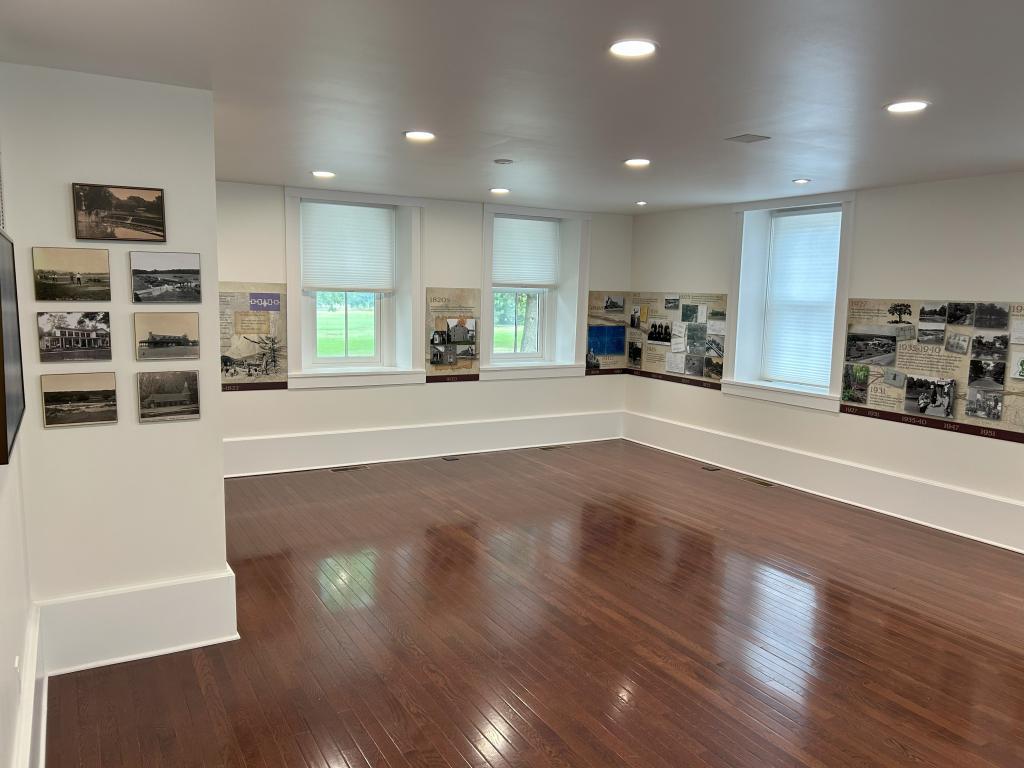
- Creation of exhibit areas for display of historic documents and artifacts related to Parks and regional history.
A ribbon cutting and grant opening was held on August 11, 2025. The timing is fitting, as Erie County celebrates the 100th anniversary of the parks system, with the Erie County Parks Commission founded in 1924 and the first land acquisitions taking place in 1925.
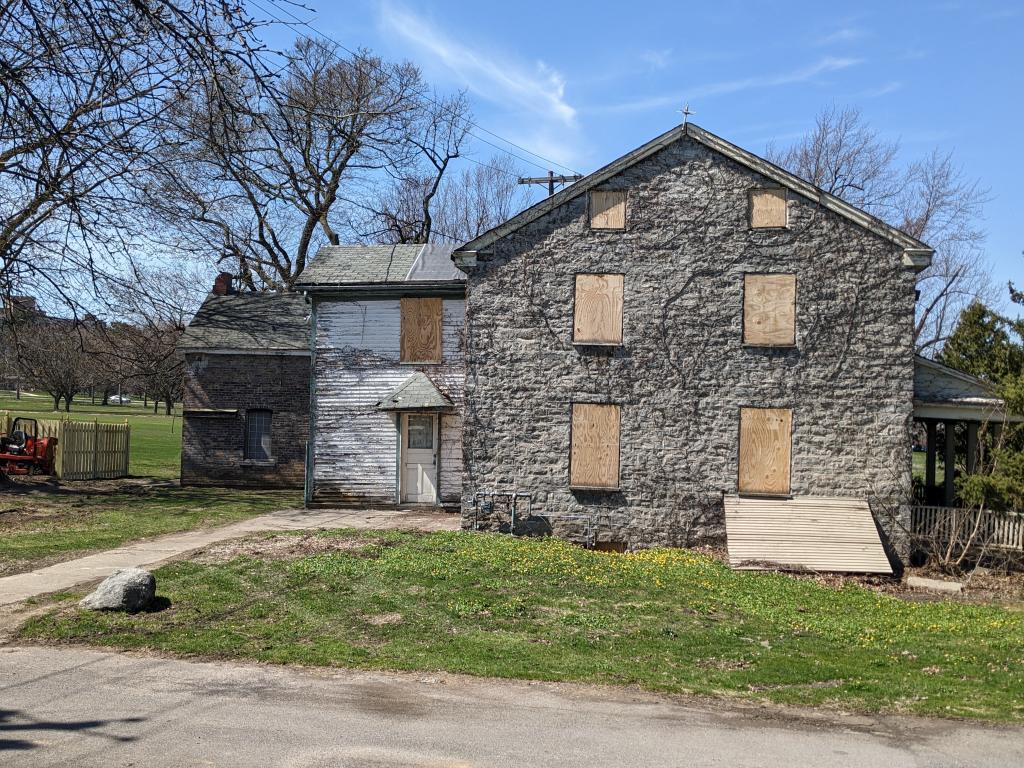
Schenck House before construction, spring 2024
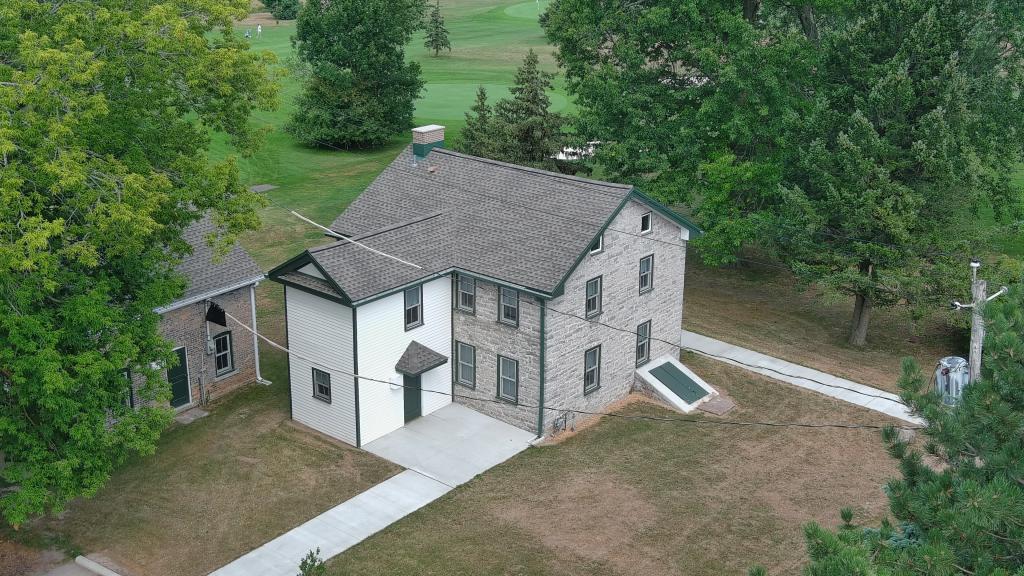
Schenck House after rehabilitation, summer 2025